
Published: October 6, 2025
Category: Medicare Healthcare
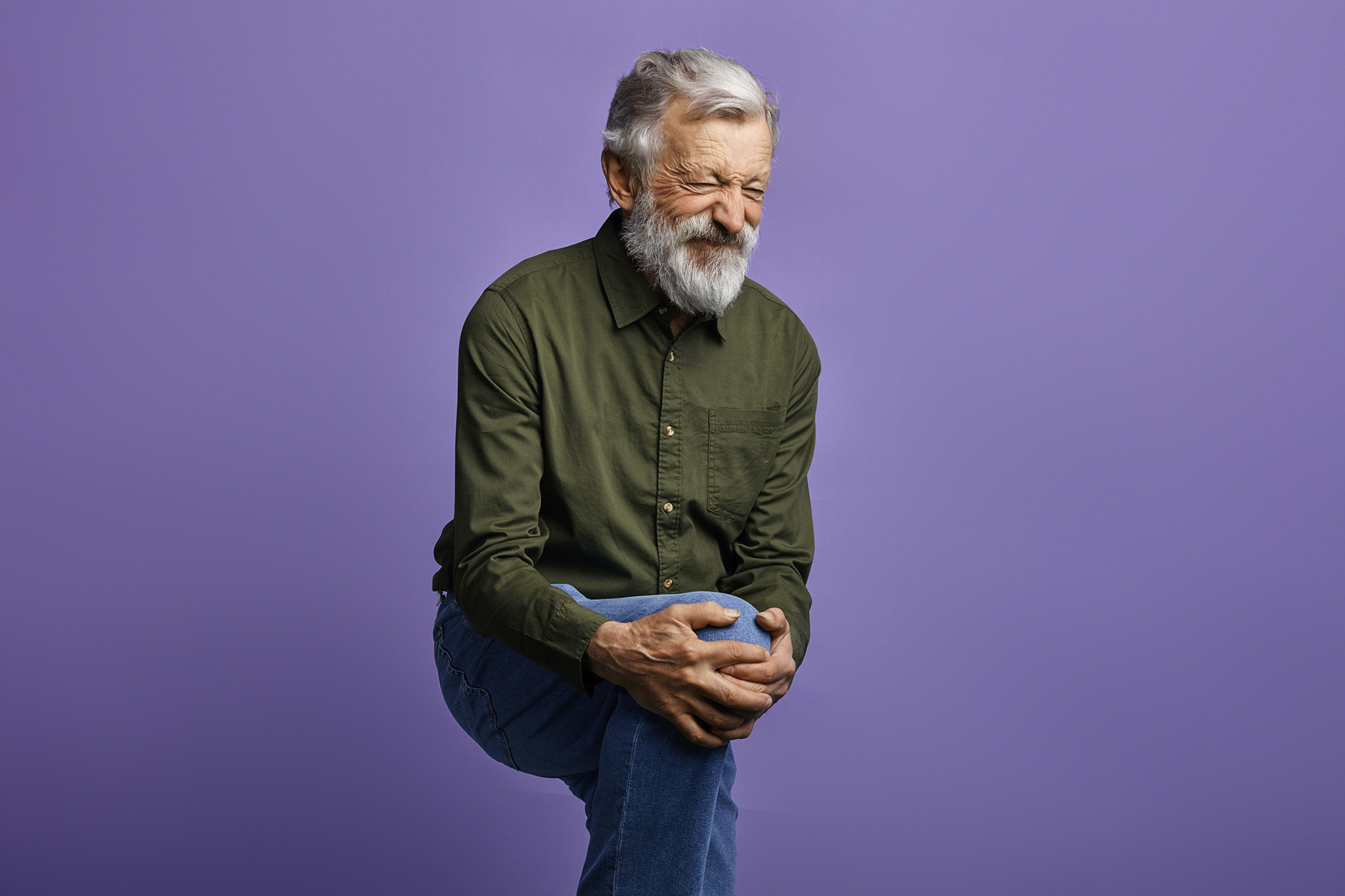
Knee pain is one of the most common problems among older adults. In fact, studies show that about 25% of adults over 60 experience frequent knee pain that affects daily movement. This discomfort can make it more difficult to walk, climb stairs, or remain active. However, the good news is that small daily changes can make a significant difference. By establishing healthy routines, seniors can reduce stiffness, enhance their strength, and experience improved mobility.
At The Best Senior Services, we believe that good health supports a better life—physically and financially. Here are seven simple daily habits to help reduce knee pain in elderly adults and promote lasting comfort.
Starting your day with light stretches can loosen stiff joints and boost circulation. Gentle motion helps lubricate the knees and prepares them for activity.
Try these simple exercises for knee pain for seniors:
These easy movements take less than 10 minutes but can make a big difference in your daily mobility.
Regular physical activity strengthens muscles and reduces pain. But not all exercises are safe for sore knees. Low-impact workouts are ideal for chronic knee pain management.
Try to do one of these activities at least five times a week:
These exercises reduce strain while improving flexibility and endurance. Even 20–30 minutes a day can improve how your knees feel and move.
Muscles around the knee—especially the quadriceps and hamstrings—play a big role in joint support. Stronger muscles mean less pressure on the knees and better balance.
Simple strength training for knee pain can include:
Do these 2–3 times a week. Focus on controlled, slow movements. Over time, this habit will make walking, standing, and climbing stairs easier.
Extra weight adds stress to your joints. Every pound of body weight puts about four extra pounds of pressure on your knees when walking.
That means losing just 10 pounds can relieve up to 40 pounds of force from your knees.
Tips to support healthy weight management:
Maintaining a healthy weight is one of the most effective ways to reduce pain in the knees naturally.
Alternating heat and cold can ease inflammation and relax muscles. Knowing when to use each helps with daily comfort.
Apply for 15–20 minutes at a time. Always use a towel barrier to protect your skin. This simple therapy can complement your daily habits for knee pain relief.
Poor footwear can worsen joint pain by affecting posture and alignment. Seniors should choose shoes that cushion the feet and support the arches.
Look for:
Avoid worn-out shoes or high heels, which can shift balance and increase joint pressure. Investing in the right footwear improves mobility for senior citizens and prevents future discomfort.
Rest is just as important as movement. The body repairs itself during rest, helping muscles and joints recover from daily activity.
To promote better chronic knee pain management, try:
Recovery supports joint health and keeps pain from returning. Listen to your body—if your knees feel sore, rest and stretch gently before continuing.
Managing knee pain in elderly adults doesn’t always require medication or surgery. Often, it’s about consistent care and mindful habits.
By stretching, exercising safely, and maintaining a healthy lifestyle, seniors can move with more confidence and less pain. These small steps add up to better mobility, comfort, and independence.
At The Best Senior Services, we believe seniors deserve trusted information and personalized support. Our mission is to educate and empower you—not just about health, but also about financial stability and Medicare options.
We connect you with licensed representatives who can help guide your decisions and ensure your well-being in every area of life. Call Best Senior Services to learn more about staying healthy, managing your finances, and living your best senior years—pain-free and worry-free.
Knee pain in elderly adults often comes from wear and tear, arthritis, or past injuries. Over time, the cartilage weakens, causing stiffness and inflammation.
Yes. Gentle exercises for knee pain help strengthen muscles, improve flexibility, and support joint health. Low-impact activities like walking or swimming are ideal.
Good options include seated leg extensions, wall squats, and water aerobics. These are low-impact and easy on the joints while still building strength.
You can reduce pain by maintaining a healthy weight, stretching daily, and applying heat or cold therapy. Wearing supportive shoes also helps protect the knees.
Yes, when done carefully. Light resistance or bodyweight training strengthens muscles around the knees and supports long-term joint stability.
Aim for at least 30 minutes of gentle activity most days of the week. Consistency is more important than intensity for chronic knee pain management.
Foods rich in omega-3s, calcium, and antioxidants—like salmon, leafy greens, and berries—can help reduce inflammation and support joint health.
If pain lasts more than a few weeks, causes swelling, or limits movement, it’s time to see a doctor. Early evaluation helps prevent further damage.
Yes. Regular stretching, strength training, proper footwear, and adequate rest can all reduce discomfort naturally and safely.
The Best Senior Services provides trusted information and connects seniors with licensed experts. We help guide you toward better health and financial stability so you can focus on living comfortably.
©2026 The Best Senior Services, LLC | Privacy Policy | Terms and Conditions | Sitemap
All Rights Reserved. Not connected with or endorsed by the United States government or the federal Medicare program. An agent may contact you.
Designated trademarks and brands are the property of their respective owners.
 English
 Spanish