
Published: December 23, 2025
Category: Medicare Healthcare
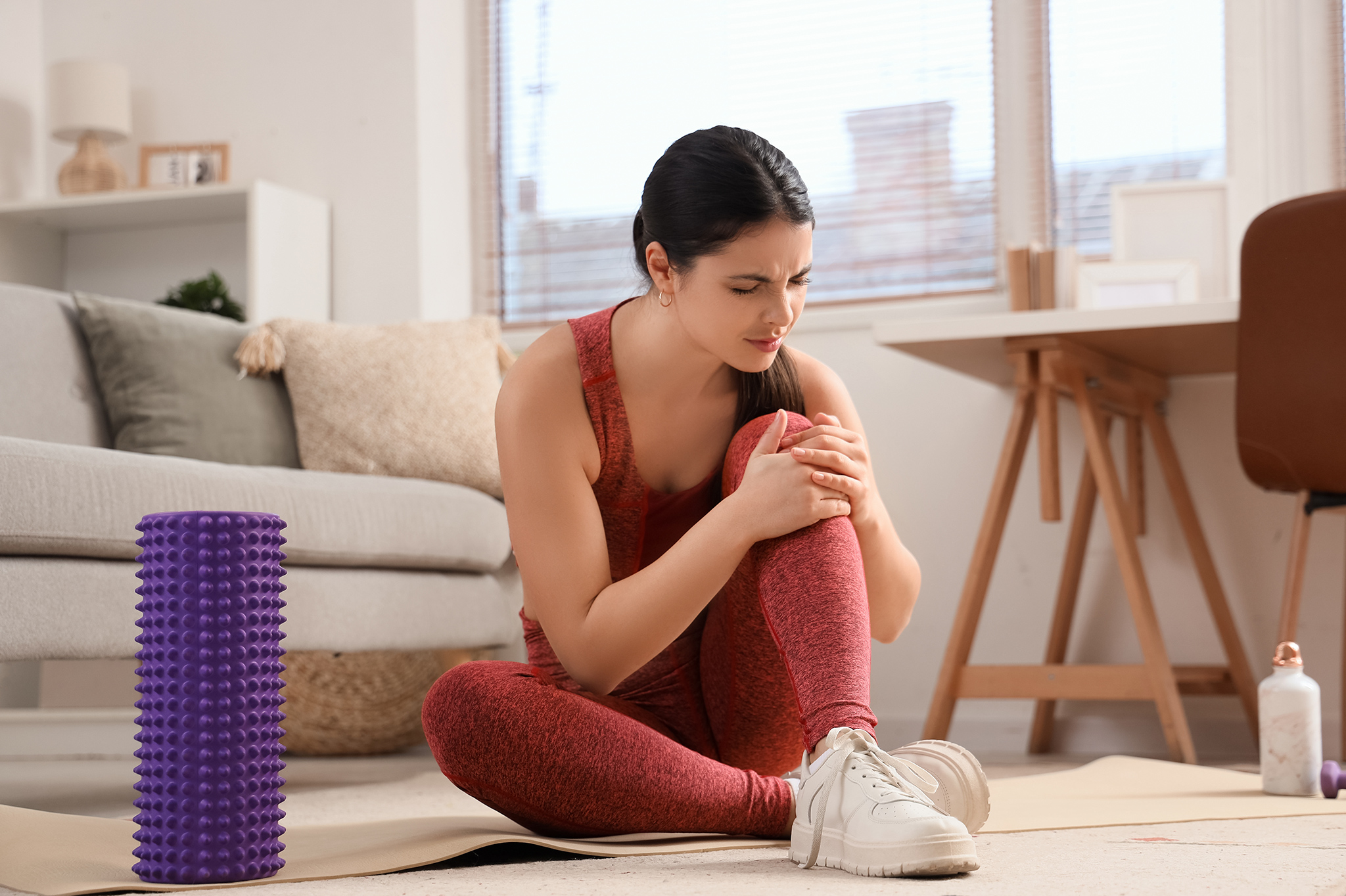
Knee pain is one of the most common problems seniors face today. According to the CDC, nearly half of Americans over age 65 have joint pain or stiffness. For many older adults, knee pain limits walking, sleep, and independence. What makes knee pain worse is often not a serious injury, but everyday habits done without realizing the impact.
The good news is that many of these mistakes can be corrected. Understanding them helps you protect your knees and stay active longer.
Many seniors assume knee pain is just a normal part of aging. While aging plays a role, it is not the only explanation. Understanding knee pain causes in elderly adults is the first step toward relief.
Common causes include:
When you ignore the cause, you may worsen the condition. Knee pain for old people often progresses when the joint is stressed repeatedly without proper care. Paying attention early can prevent long-term damage.
Many seniors delay seeing a professional. Some rely only on home remedies or advice from friends. This can be risky.
Diagnosing knee pain helps identify:
Without proper diagnosis, treatment may target the wrong problem. This can increase pain and stiffness over time. Early evaluation leads to better outcomes and safer care decisions.
Sleep position affects joint health more than many seniors realize. Poor positioning places stress on the knees for hours at a time.
The best sleeping position for knee pain often includes:
Small changes at night can reduce morning stiffness. Better sleep posture protects joint alignment and eases inflammation.
What you eat affects inflammation and joint health. A poor diet for knee pain can worsen swelling and discomfort.
Foods that may increase inflammation:
Foods that support joint health:
Maintaining a healthy weight also reduces pressure on the knees. Even small weight changes can improve mobility and comfort.
Many seniors fall into one of two extremes. Some avoid movement due to pain. Others push through pain without rest.
Both habits can worsen knee pain.
Too little movement leads to:
Too much strain causes:
Balanced activity supports circulation and strength. Low-impact movement often helps knee pain for old people stay manageable.
Footwear plays a major role in knee alignment. Poor shoes change how weight moves through your joints.
Shoes that worsen knee pain include:
Supportive shoes help absorb impact. They also reduce strain on the knees. Proper footwear improves stability and confidence while walking.
Inflammation is a common cause of pain and stiffness. Many seniors try quick fixes that do not address the issue properly.
Mistakes include:
Learning how to treat an inflamed knee joint safely is important. This often includes rest, proper support, and professional guidance. Treating inflammation early helps prevent further damage.
Many seniors receive mixed messages about joint health. Medical advice, online tips, and personal stories often conflict. This leads to confusion and delayed care.
Common challenges include:
Knee pain affects more than mobility. It influences independence, confidence, and long-term planning. Seniors deserve clear, reliable education that supports informed decisions.
At The Best Senior Services, we believe health concerns are connected to overall well-being. Chronic pain can impact financial decisions and healthcare planning.
Our mission is to:
We help you stay informed so you can make confident choices for your future.
Knee pain does not have to control your life. Many habits that worsen pain can be adjusted. By understanding what makes knee pain worse, you take an important step toward protecting your mobility.
Pay attention to:
Small changes add up over time. Staying informed helps you stay active, independent, and confident. For trusted guidance and support, The Best Senior Services is here to help you every step of the way. Call us today and we will connect you with a licensed representative in your area!
What makes knee pain worse is often a combination of joint wear, inflammation, and daily habits. Poor movement, weight gain, and ignoring early symptoms can increase pain over time.
Common knee pain causes in elderly adults include arthritis, cartilage breakdown, past injuries, and joint inflammation. Muscle weakness around the knee also contributes to pain and instability.
Diagnosing knee pain helps identify the exact cause of discomfort. Proper diagnosis prevents incorrect treatment and reduces the risk of worsening joint damage.
The best sleeping position for knee pain is on your back with a pillow under your knees. Side sleeping with a pillow between your legs can also reduce pressure and stiffness.
Yes, diet plays a role in inflammation and joint health. A healthy diet for knee pain includes fruits, vegetables, whole grains, and lean protein.
Too much inactivity weakens muscles and stiffens joints. Gentle, regular movement helps support the knee and reduce discomfort.
Worn-out or unsupportive shoes increase stress on the knee joint. Proper footwear improves alignment and reduces pressure while walking.
Treating an inflamed knee joint usually involves rest, proper support, and professional guidance. Ignoring swelling can lead to increased pain and stiffness.
Seniors should seek help if knee pain lasts more than a few weeks or limits daily activities. Early care helps prevent long-term joint problems.
The Best Senior Services provides trusted education and connects seniors with licensed representatives. We help you make informed decisions about Medicare and other financial services that support your health and independence.
©2026 The Best Senior Services, LLC | Privacy Policy | Terms and Conditions | Sitemap
All Rights Reserved. Not connected with or endorsed by the United States government or the federal Medicare program. An agent may contact you.
Designated trademarks and brands are the property of their respective owners.
 English
 Spanish